Kumana National Park
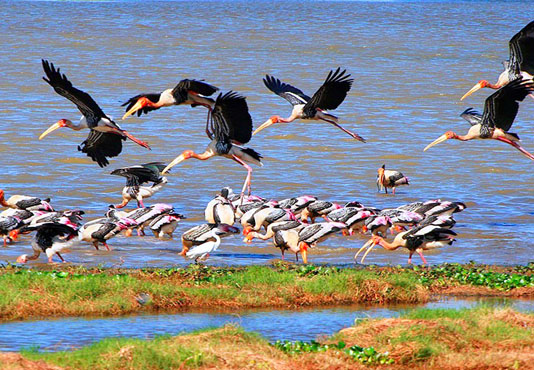
Kumana, also known as Yala East National Park covers an area of about 18,000 hectares and can only be accessed from Okanda which is south of Arugam Bay on the South East Coast. The villus (swamp lakes) of Kumana is nesting sites for water birds. During the nesting season which begins towards June, large colonies of pelican, spoonbills, herons, painted storks, and egrets can be spotted here. The jungles of Kumana are also home to wild elephants, buffalo and deer. Kumana is edged by the Indian Ocean. Often the endangered marine turtles come ashore to nest here on the secluded beaches.
You May Also Like
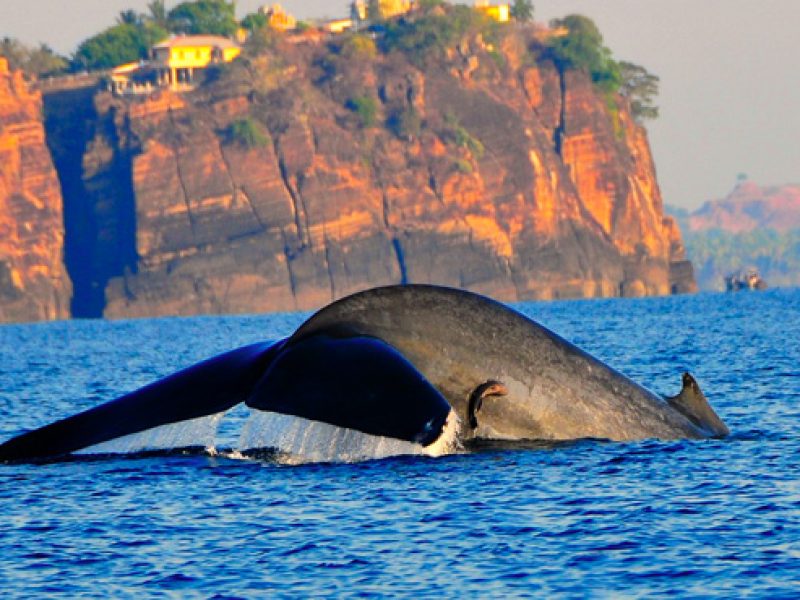
Trincomalee
Sri Lanka’s equivalent to the Maldives, Trinco’s never-ending white sandy beaches, coral islands and shimmering blue seas, is distinctly different from the coastal areas of the rest of the island. Bask in the sun on the secluded beaches of Uppuveli, Nilaveli & Kuchchaveli located north of Trinco town. Discover the magnificent marine life around Pigeon […]
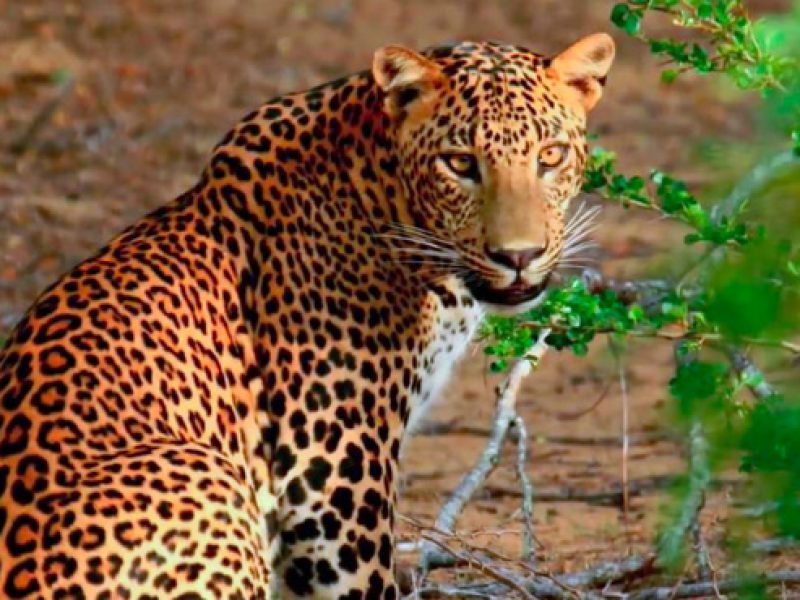
Yala National Park
Yala, situated in the south east corner of the island, is home to the greatest variety of Sri Lanka’s wildlife. Its varying habitats, consisting of scrub plains, jungles, rocky outcrops, fresh water lakes, rivers and beaches, provides home to many species of animals including sloth bear, herds of elephants, buffalo, monkeys, sambar, deer, crocodiles and […]
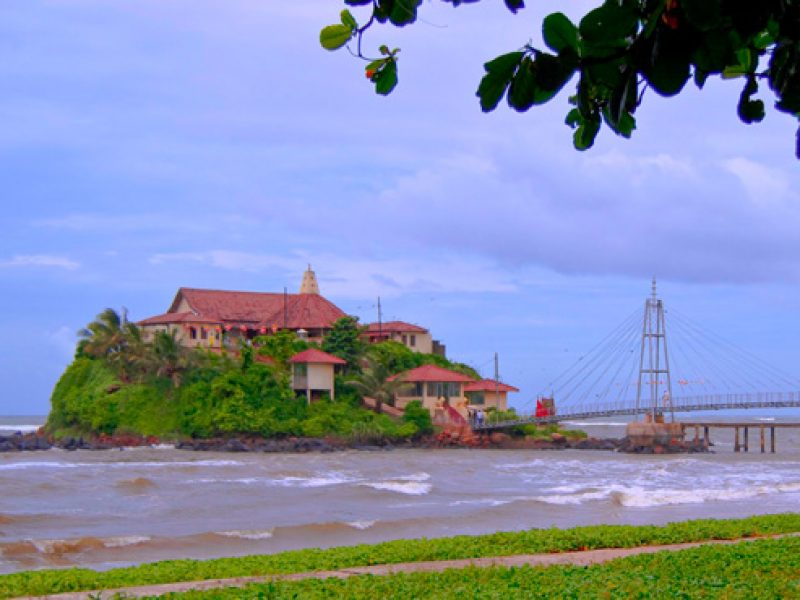
Matara
Matara is a busy, booming and sprawling commercial town that owes almost nothing to tourism – which makes it a fascinating window on modern Sri Lankan life. Matara’s main attractions are its ramparts, a well-preserved Dutch fort and, most of all, its street life.
Bundala National Park
Bundala is an important and beautiful Wetland Sanctuary combining 20km of beach, lagoons and scrub which host more than 150 bird species. These wetlands are home to winter migratory birds and large flocks of flamingoes. The lagoons prove popular with crocodiles whilst on dry land herds of up to 60 elephants can be seen, as […]