Polonnaruwa
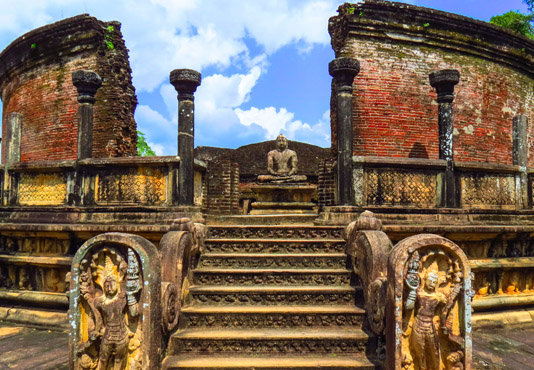
Sri Lanka’s royal medieval capital for nearly a century from 1073, Polonnaruwa had been a military base for invading Chola tribes, from southern India, until they were overthrown by the Sinhalese king, Vijayabahu I in 1070. The next king, Parakramabahu I, was the main driving force behind the development of Polonnuruwa. It remained Sri Lanka’s capital until the late 13C, but became increasingly susceptible to Chola invasions and it became lost to the jungle once more as the capital drifted south-west. Today, the ancient city’s ruins remain in remarkably good nick, and are a fascinating site to visit.
You May Also Like
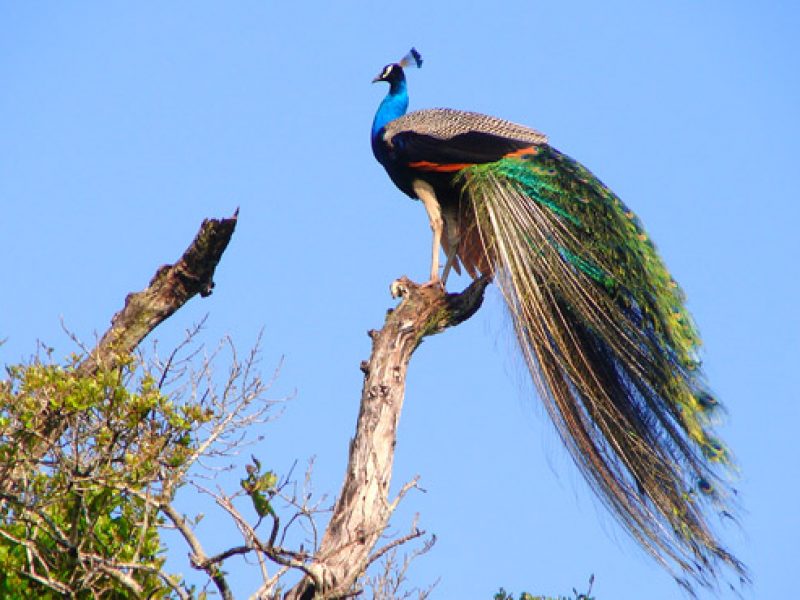
Bundala National Park
Bundala is an important and beautiful Wetland Sanctuary combining 20km of beach, lagoons and scrub which host more than 150 bird species. These wetlands are home to winter migratory birds and large flocks of flamingoes. The lagoons prove popular with crocodiles whilst on dry land herds of up to 60 elephants can be seen, as […]
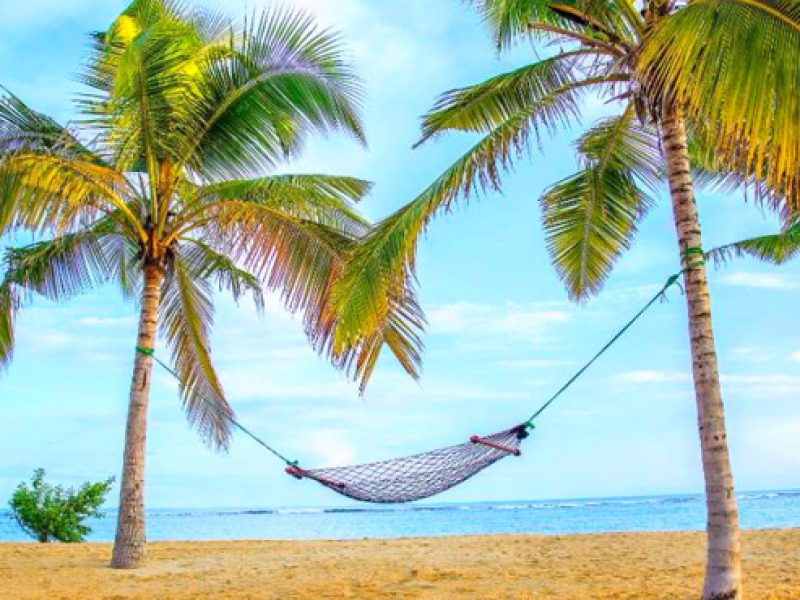
Pasikudah
Located south of Trinco, Pasikudah and Kalkudah are fishing villages that were at one time, popular beach destinations similar to Hikkaduwa in the south. Up until the early 1980s, small beach shack cafes and guesthouses lined the shores of Kalkudah. Now several boutique hotels line the bay and offer a range of watersports from jet […]
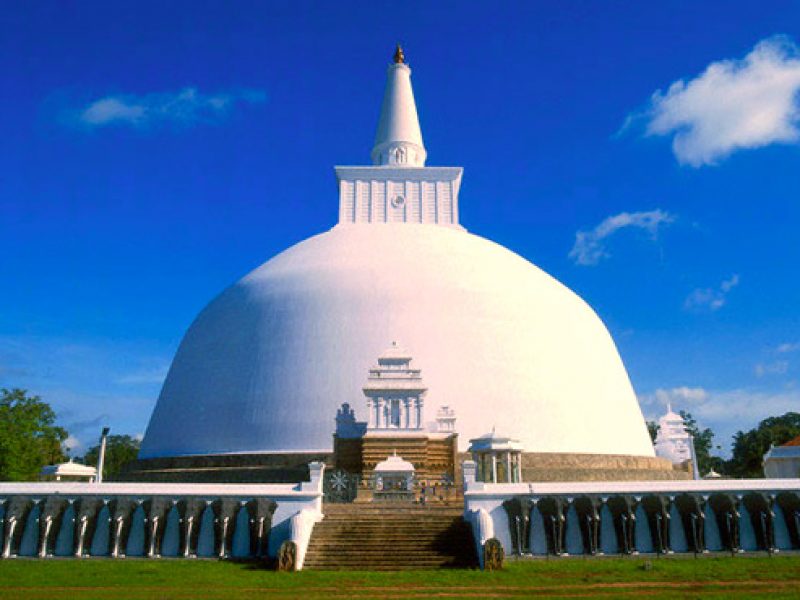
Anuradhapura
Sri Lanka’s first capital, Anuradhapura, was the greatest monastic city of the ancient world. It was royal capital for more than 100 Sri Lankan kings and at its heights was home to thousands of monks from dozens of monasteries. Originally founded by a minister called Anuradha, in the 4th century BC, it became the capital […]
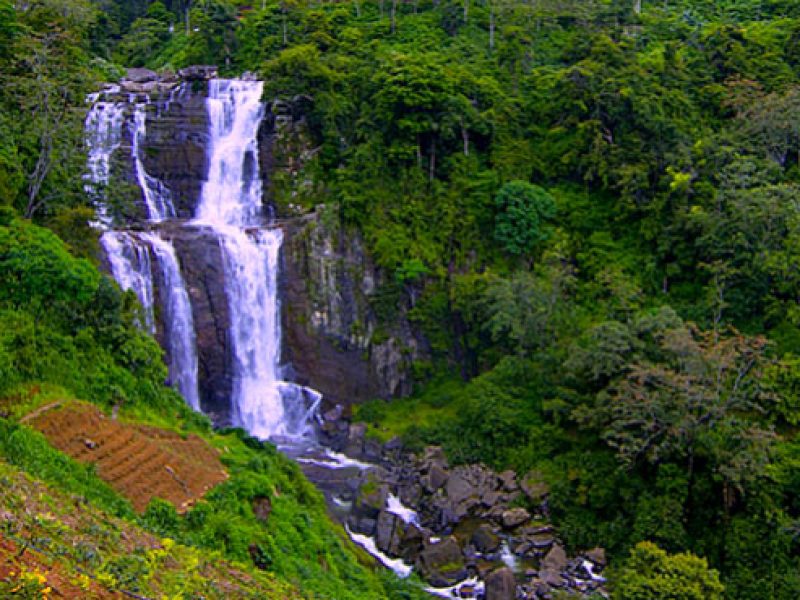
Ramboda Water Fall
Ramboda waterfall is not a single waterfall and it has two staires. Up side of the main road of Ramboda place, There is a another waterfall. Most of tourist dismiss the waterfall and they visit up side waterfall and go away.